


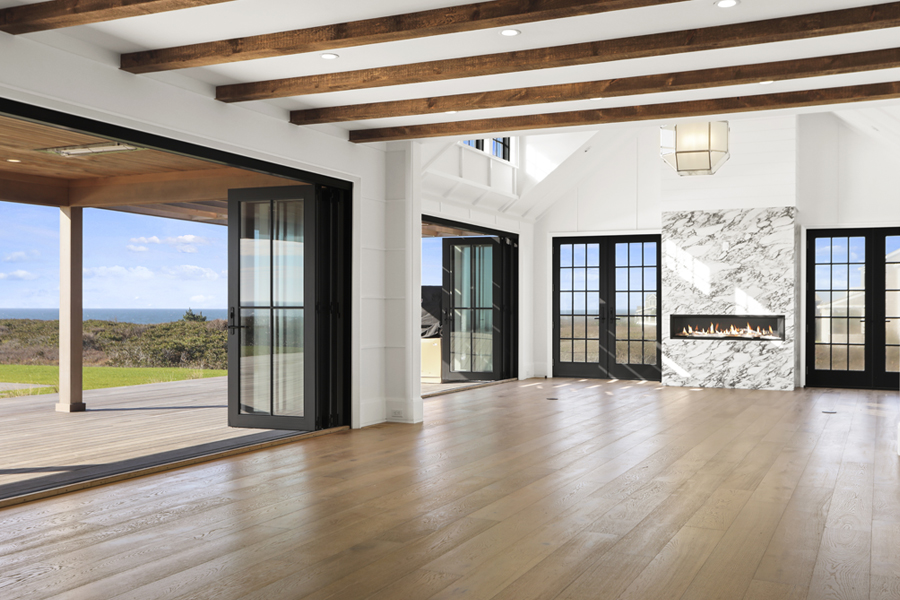
Few home upgrades change the look and feel of a house quite like new hardwood floors. One room looks great. An entire home? That's where the transformation really happens.
At the same time, whole-home flooring projects require thoughtful planning. Budgeting for hardwood flooring isn't just about choosing a color and calculating square footage. Understanding the full scope of the project can help you make informed decisions and avoid unexpected costs along the way.
Start With Your Home's Total Square Footage
The first step in building a realistic flooring budget is determining how much space you plan to cover. Some homeowners install hardwood throughout every room, while others limit it to main living areas and bedrooms.
Hallways, staircases, closets, and entryways can all affect the total amount of material needed. A professional measurement helps provide a more accurate estimate and reduces the risk of ordering too much or too little flooring.
Material Selection Makes a Big Difference
Not all hardwood products fall into the same price range. Factors that may impact overall costs include:
Wood species
Plank width
Finish type
Solid versus engineered hardwood
Grade and character variations
Oak remains a popular choice because it balances style, durability, and value. Premium species may increase the overall project budget but can offer a unique appearance that homeowners love. When planning for hardwood flooring, it's important to compare both the upfront investment and the long-term benefits.
Don't Forget Hardwood Installation Costs
Many homeowners focus exclusively on flooring materials and underestimate labor costs. Professional hardwood installation often includes:
Removal of existing flooring
Furniture moving
Subfloor preparation
Moisture testing
Trim and transition installation
Cleanup and disposal
Every home presents unique challenges, which is why installation costs can vary from project to project. Investing in quality installation helps maximize the lifespan and performance of the floor.
Plan for Subfloor Preparation
One factor that surprises many homeowners is subfloor condition. Uneven surfaces, moisture concerns, and damaged subfloors can create issues if not addressed before installation begins. Proper preparation helps ensure your new floors perform as expected over time. While additional prep work may add to the project budget, it often prevents costly repairs later.
Hardwood Flooring Trends 2026 Are Influencing Design Choices
Many homeowners updating multiple rooms are choosing designs that feel timeless rather than overly trendy. Popular hardwood flooring trends 2026 include:
Wide plank flooring
Natural-looking finishes
Medium brown tones
Matte and low-sheen surfaces
Character-rich wood grain
These styles create warmth and visual interest while remaining versatile enough to complement changing décor over the years.
How Long Does Hardwood Flooring Last?
When budgeting for new floors, it's worth considering long-term value. One of the most common questions homeowners ask is: how long does hardwood flooring last? The answer depends on the wood species, installation quality, maintenance habits, and household traffic.
Properly installed and maintained hardwood floors can last for decades, making them one of the longest-lasting flooring investments available. That longevity often helps justify the upfront cost for homeowners planning to stay in their homes long-term.
Visit Us for Hardwood Flooring Inspiration
If you're exploring hardwood flooring, planning professional hardwood installation, or interested in the latest hardwood flooring trends 2026, Fredericks Floorcovering is here to help. We proudly assist homeowners throughout Cleveland, OH with expert flooring guidance and personalized recommendations.
Contact us today to discuss your project and receive expert advice tailored to your home. Visit our showroom at Parma, OH to compare hardwood styles, explore design options, and start planning your whole-home flooring upgrade.